
Research in Action: The Science Behind Elite Pitch Maintenance
For more than 30 years, Technical Surfaces has maintained artificial sports pitches across the UK.
Experience, however, is only part of what defines expertise.
Modern artificial turf systems are complex engineered surfaces. Their long-term safety, performance and durability depend on how fibres, infill materials and shockpads interact under thousands of hours of use. Maintaining these systems effectively requires more than routine care, it requires understanding.
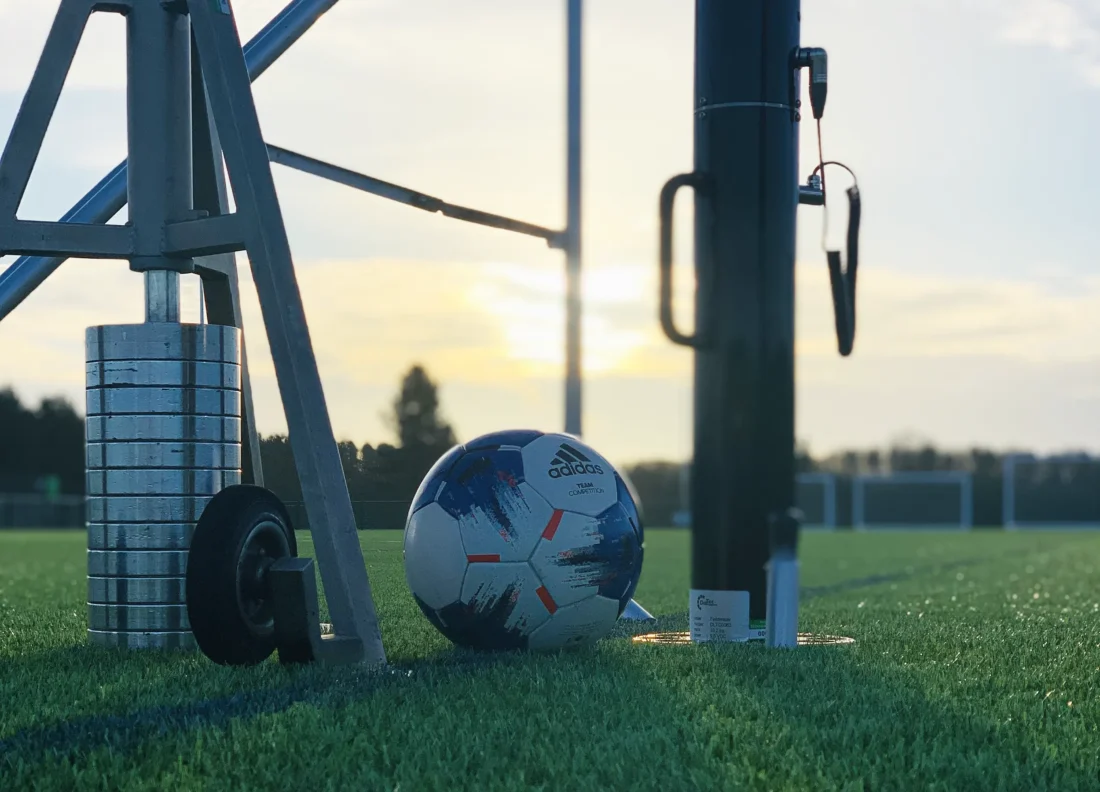
That understanding is strengthened through formal research collaboration with Loughborough University, specifically the Sport Surfaces Research Group within the Sports Technology Institute, internationally recognised for its work in sports surface engineering.
Knowledge Transfer Partnerships: Bridging Academia and Industry
Our research activity is delivered through Knowledge Transfer Partnerships (KTPs), collaborative innovation projects part-funded by Innovate UK.
A KTP brings together an industry partner and academic specialists to address strategic challenges through structured research and applied investigation. For Technical Surfaces, this means taking real-world maintenance questions and examining them through rigorous scientific methodology.
The result is not theory removed from practice. It is evidence designed to inform how pitches are managed, protected and optimised across their lifecycle.
Turning Observation into Evidence
Over decades of field work, patterns emerge. Certain maintenance interventions consistently restore performance. Others deliver only short-term gains. Some surfaces deteriorate faster under specific conditions.
Research allows those observations to be quantified.
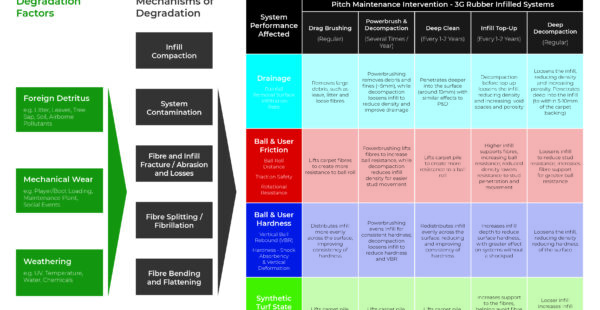
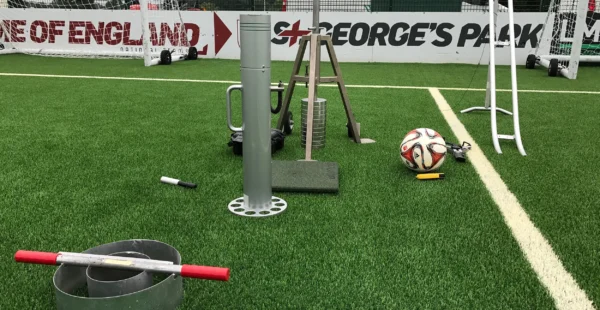
Through previous KTP work focused on third-generation (3G) pitch systems, Technical Surfaces contributed to formal analysis of how maintenance influences measurable performance characteristics. This work was peer reviewed and published in the Journal of Sports Engineering and Technology, ensuring independent scrutiny and academic validation.
For facility owners, this distinction is important. Peer review confirms that conclusions are based on structured data, not anecdote or assumption.
Why Research Matters to Venue Owners
Artificial pitches are significant capital assets. They must perform consistently, comply with governing body standards, and remain safe for players over many years of intensive use.
Performance decline is rarely dramatic. It is gradual:
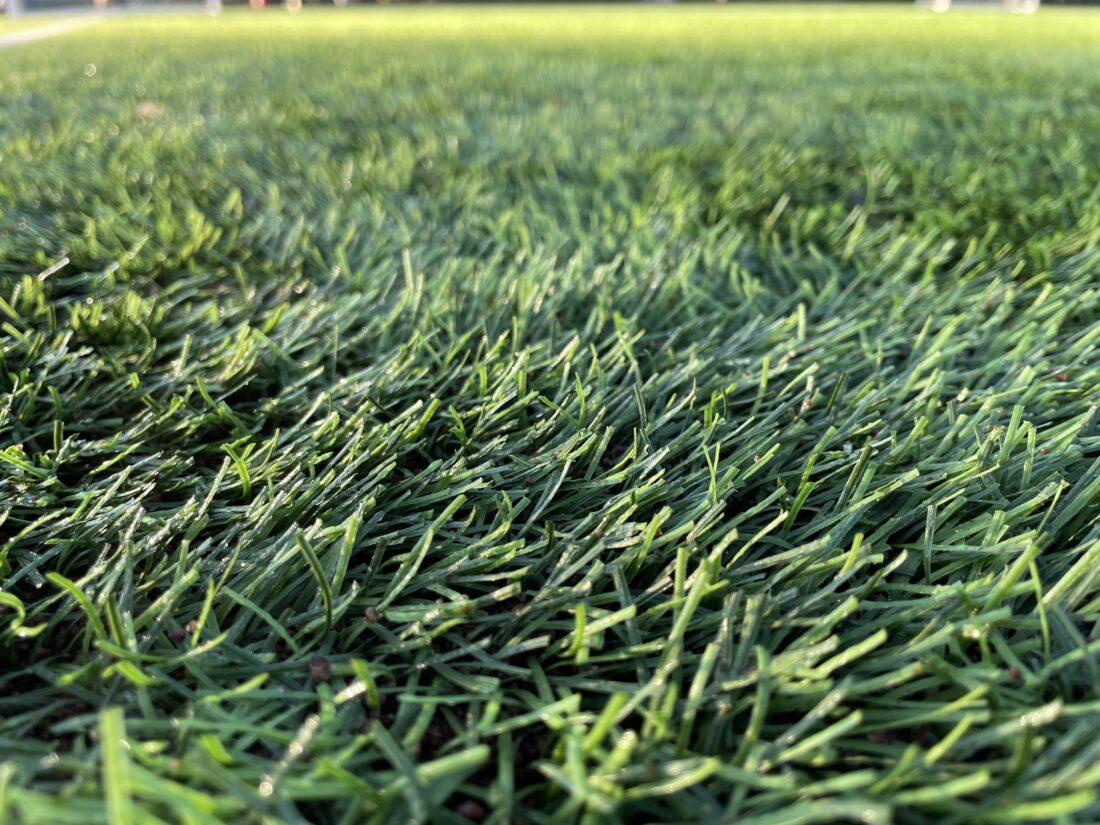
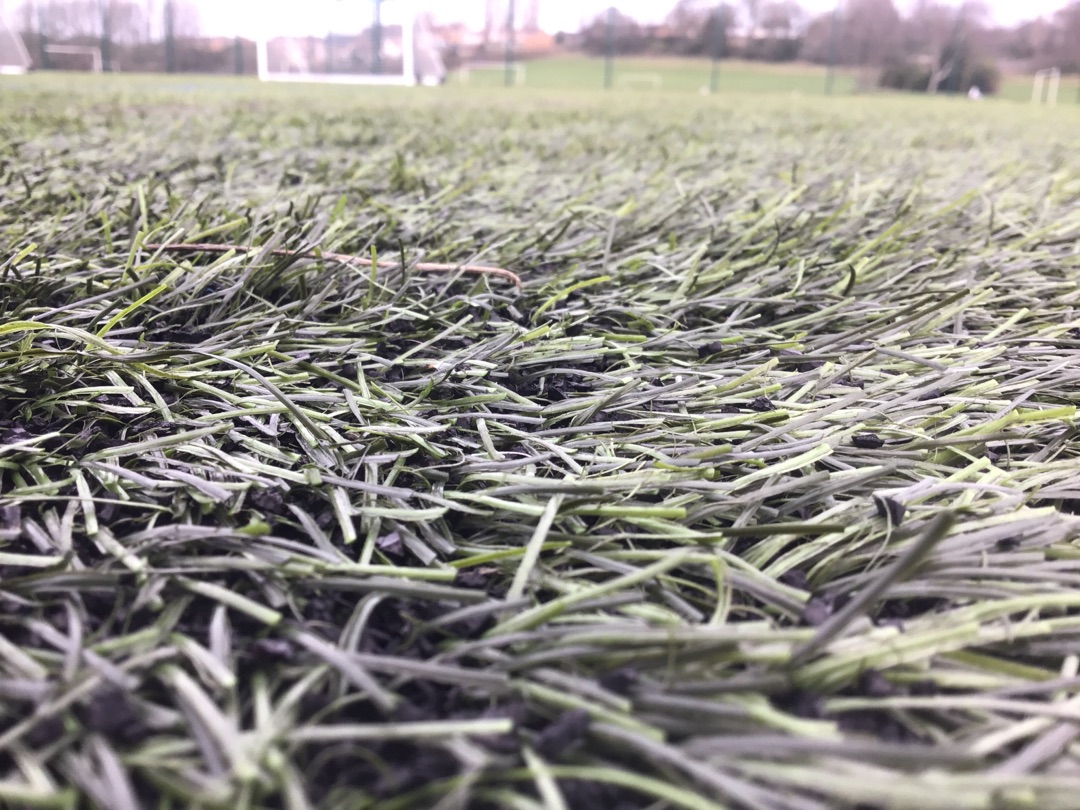
- Infill migrates from the surface; fibres flatten, Infill compacts
- The feel underfoot is less consistent
- Contamination builds up; Drainage slows
- Performance is affected; Shock absorption decreases, ball roll & rebound increases
Without evidence-based monitoring and maintenance, these changes may go unnoticed until performance testing or visible deterioration highlights a problem.
Research enables earlier, more informed intervention.
It helps answer critical questions:
-
Optimum maintenance methodology; for example, most effective drag brushing speed
-
The required frequency of maintenance regimes
-
Rate of infill migration / top up requirements
-
Performance effects of various maintenance processes
Experience Informed by Evidence
Technical Surfaces’ position as the UK’s leading artificial sports surface maintenance provider is built on three foundations:
- Thirty years of practical delivery
- Nationwide operational capability
- Ongoing academic collaboration
Our ongoing research explains why it works.
On site experience confirms to us what works.
These combined ensures it continues to work.
Our Research Bulletin series will explore individual research themes in greater depth, examining how evolving pitch technologies and materials influence long-term maintenance strategy.
Because in today’s artificial turf environment, true expertise is not simply about maintaining surfaces. It is about understanding them.

Related articles