
Don’t Put Pattern Lines on Your 3G Pitch Turf!
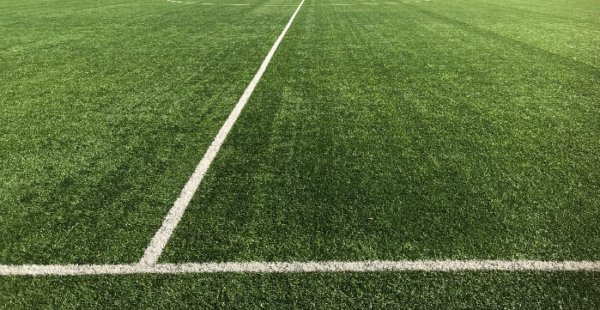
On natural grass pitches, grounds people often take pride in producing visually striking line patterns.
These mowing stripes can look impressive from a spectator’s perspective and are a hallmark of high-quality pitch presentation.
However, what works for natural grass should not always be replicated on artificial 3G surfaces.
Why Patterns Are a Problem on 3G Pitches
To create patterns on natural grass, the surface is cut in alternating directions so the grass blades lean at opposing angles. This manipulation of the grass creates the light and dark striping effect seen in stadiums. On a 3G pitch, the situation is very different.
The synthetic fibres (pile) are designed to remain upright at all times. This upright position is essential for maintaining consistent ball roll and bounce, providing adequate player grip and traction, and ensuring even interaction between the fibres and infill.
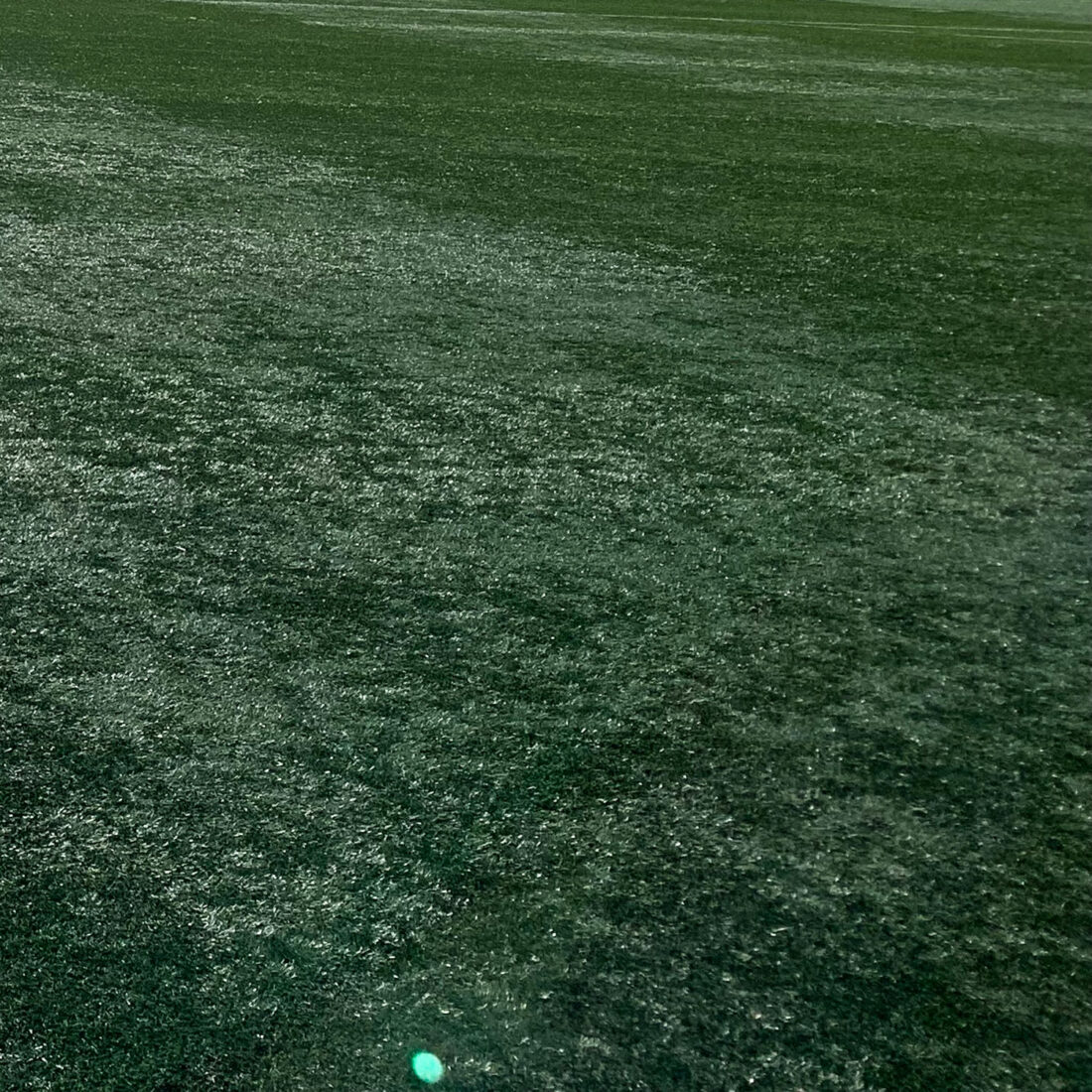
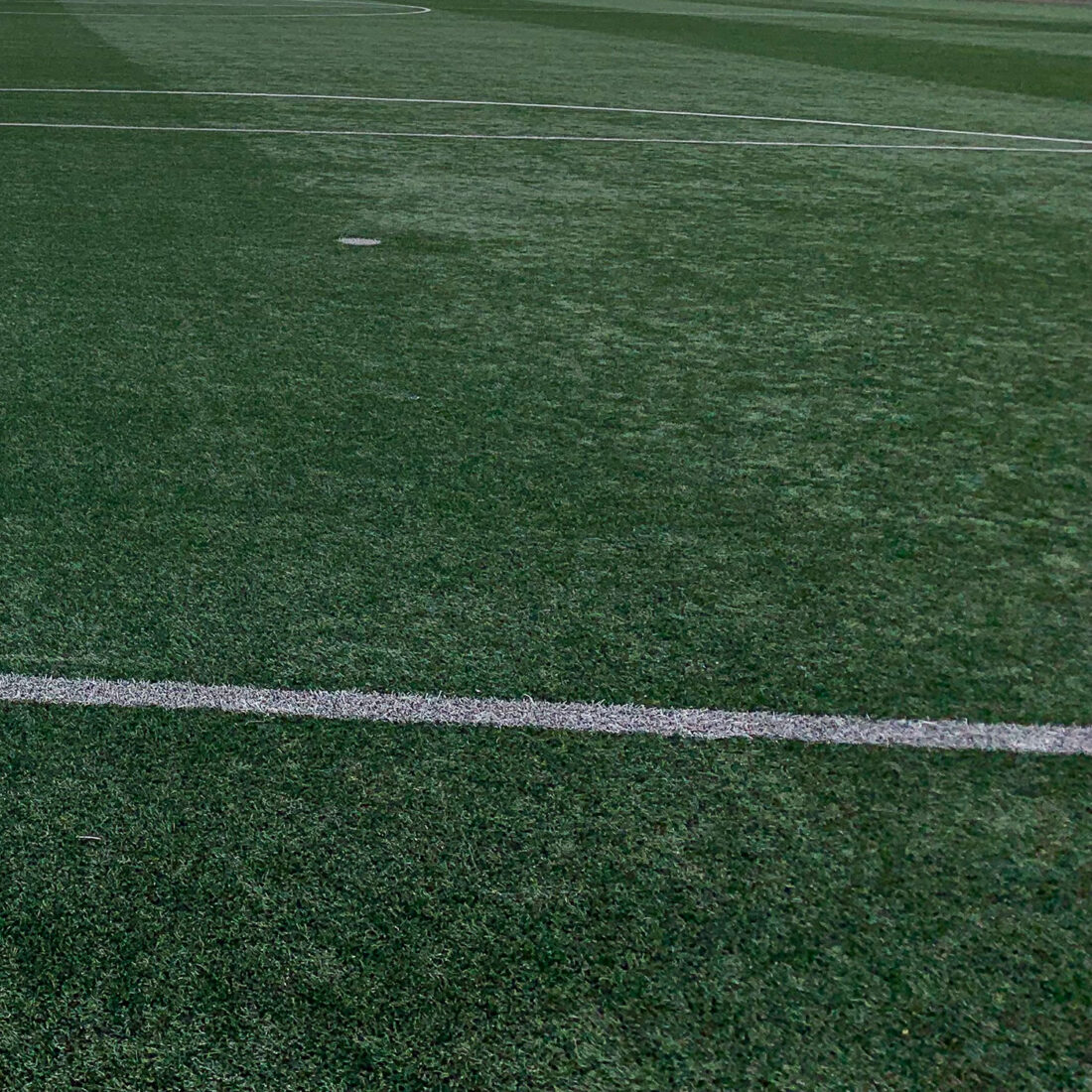
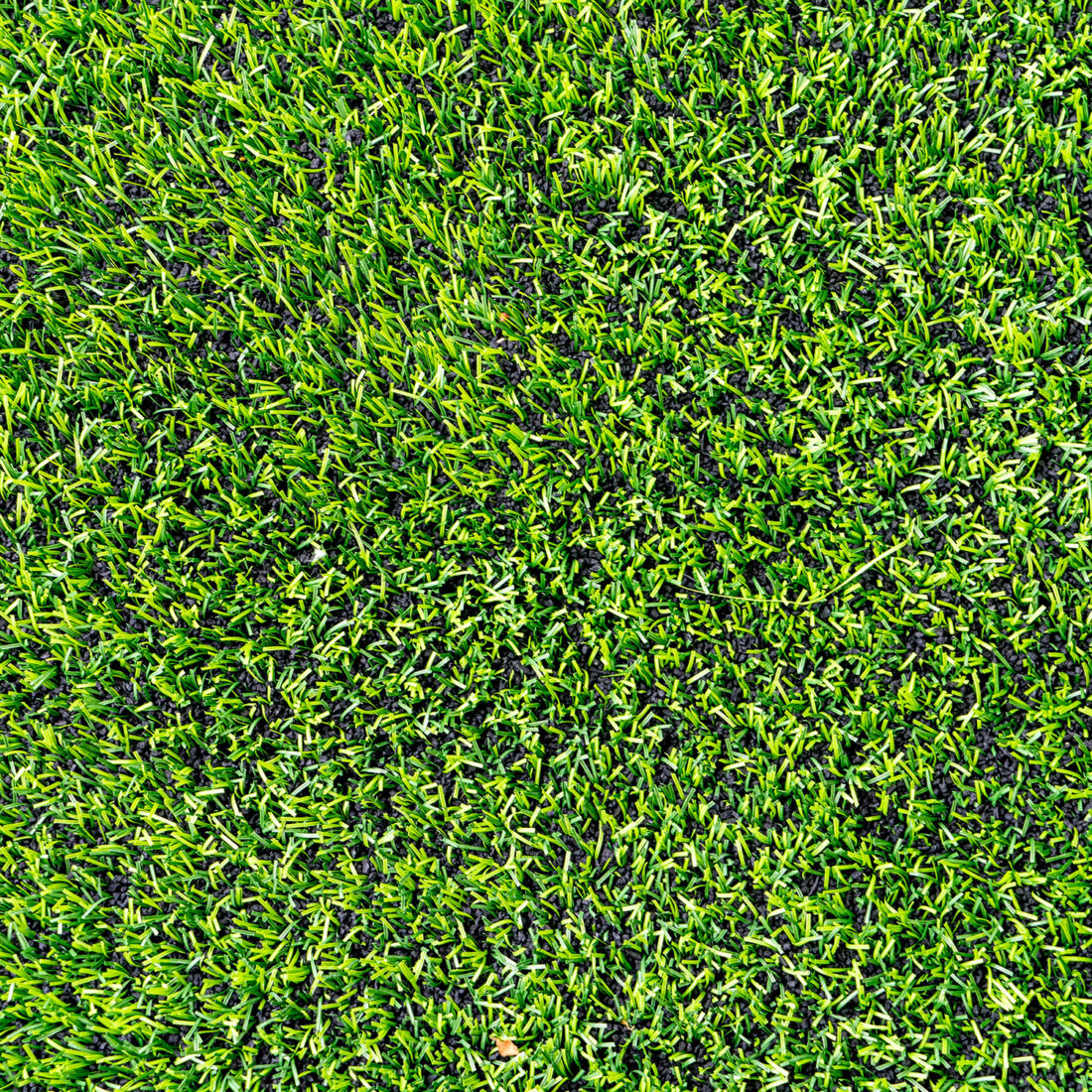
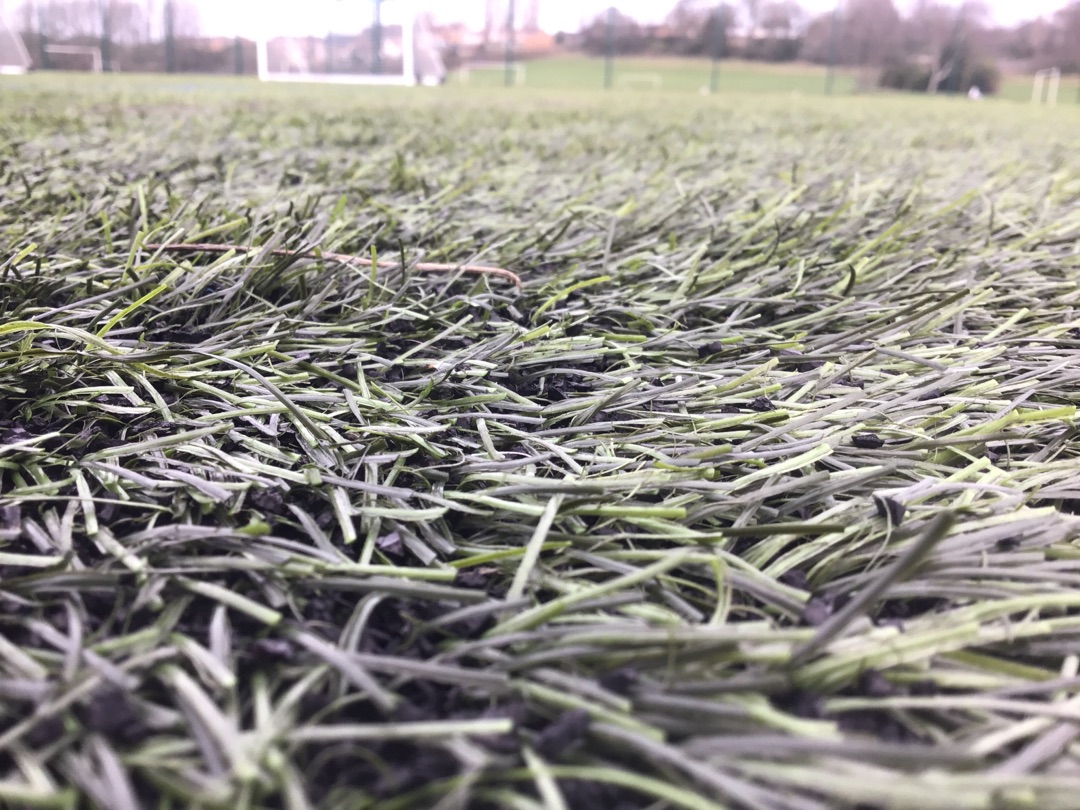
When patterns appear on a 3G surface, it is a clear indication that the pile is leaning rather than standing vertically.
The Impact on Performance
When the pile is laid over, fibres begin to sit within the infill rather than standing above it as intended. This reduces surface grip, increasing the likelihood of slips and affecting player confidence. Ball behaviour also becomes less predictable, with changes to roll, speed, and bounce across the surface.
While a patterned 3G pitch may look visually interesting, it is actually a sign of reduced performance and surface quality.
The Role of Proper Maintenance
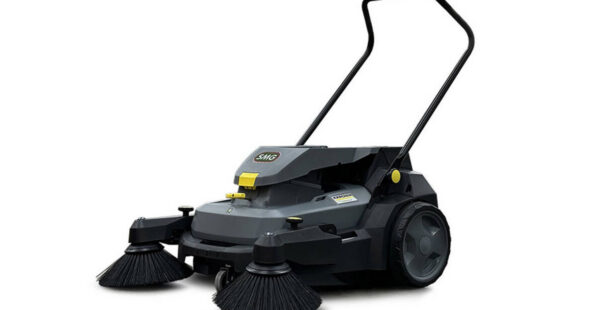
One of the primary objectives of 3G pitch maintenance is to keep the pile as upright as possible. This is critical to ensuring the surface performs consistently, safely, and in line with its design specifications.
This is achieved through regular maintenance practices that actively work against fibre layover and infill compaction
Brushing and decompaction
Routine brushing lifts the fibres back into an upright position while redistributing the infill evenly across the surface. Over time, foot traffic and gameplay cause compaction, which forces fibres to bend and the infill to harden. Decompaction processes break up these compacted layers, allowing the fibres to stand freely again and restoring the surface’s shock absorption and play characteristics.
Infill redistribution
The infill plays a vital role in supporting the fibres and maintaining surface stability. During use, infill can become displaced, leading to uneven areas where fibres either become buried or unsupported. Regular redistribution ensures consistent infill depth across the pitch, helping fibres remain upright and preventing premature wear or performance inconsistencies.
Specialist cleaning processes
In addition to routine upkeep, periodic specialist 3G pitch cleaning is essential to maintain optimal performance. This can include deep cleaning to remove contaminants, power brushing to restore fibre position, and advanced decompaction techniques. These processes go beyond standard cleaning and address underlying issues, ensuring the pitch continues to perform to the required standards over time.
Allowing the pile to lean, whether intentionally for visual effect or due to poor or infrequent cleaning, works directly against these goals, ultimately reducing both the lifespan and performance quality of the surface.
Final Thought
While patterned finishes may enhance the appearance of natural grass pitches, they have no place on 3G surfaces.
For artificial turf, performance must always come before presentation, and that starts with keeping the pile upright.